Discovering and Drinking In a New Blank Page
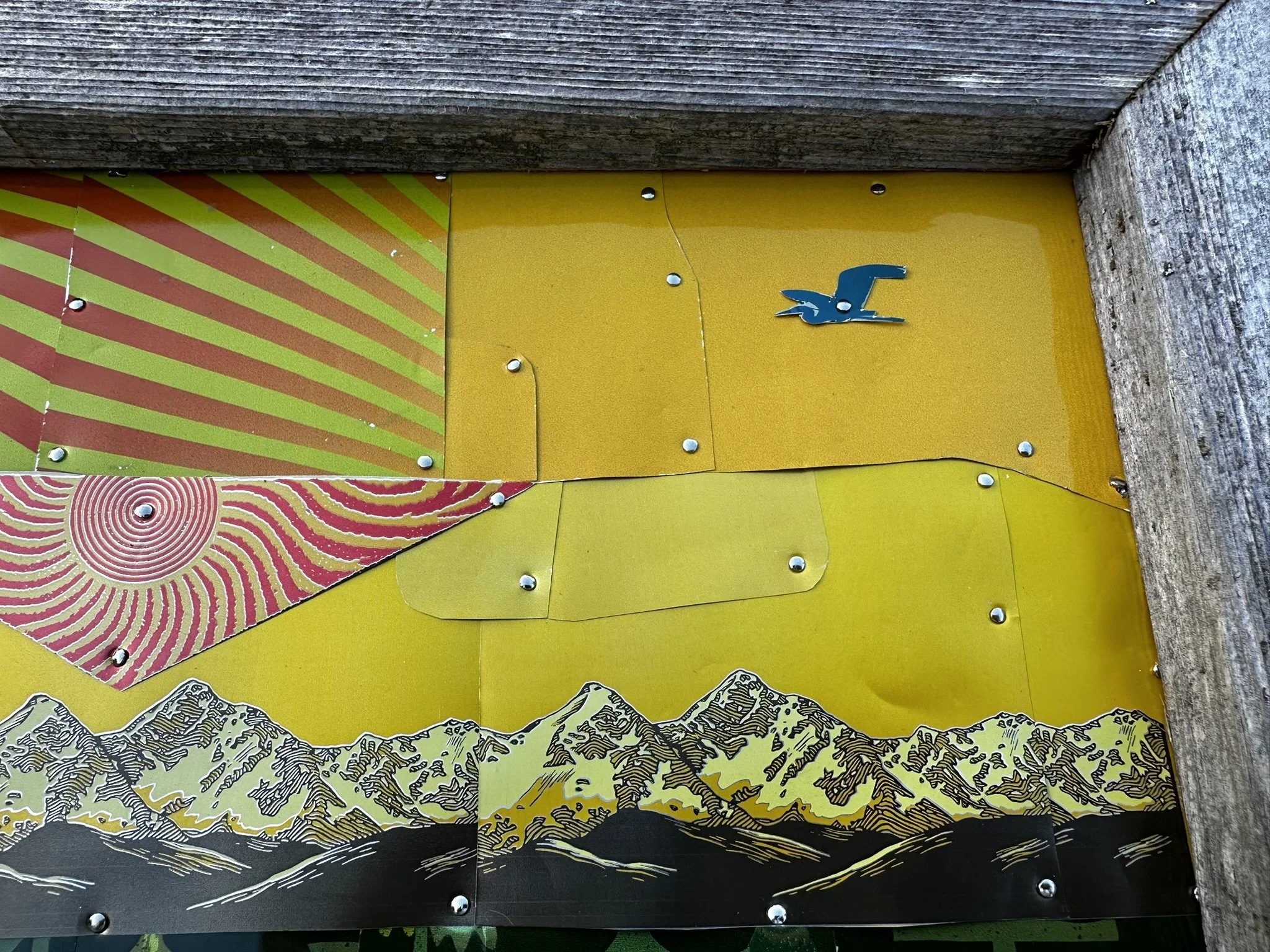
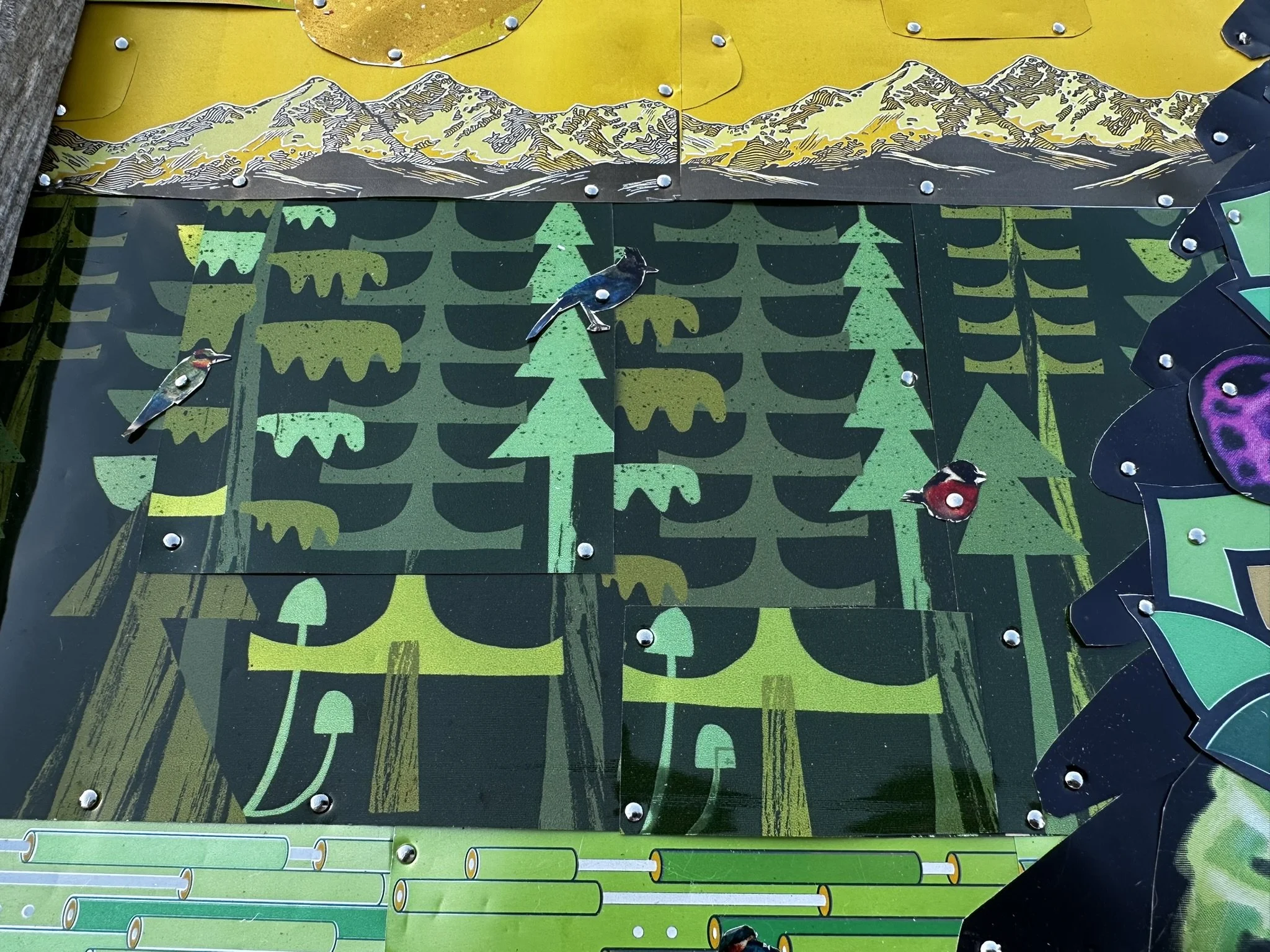
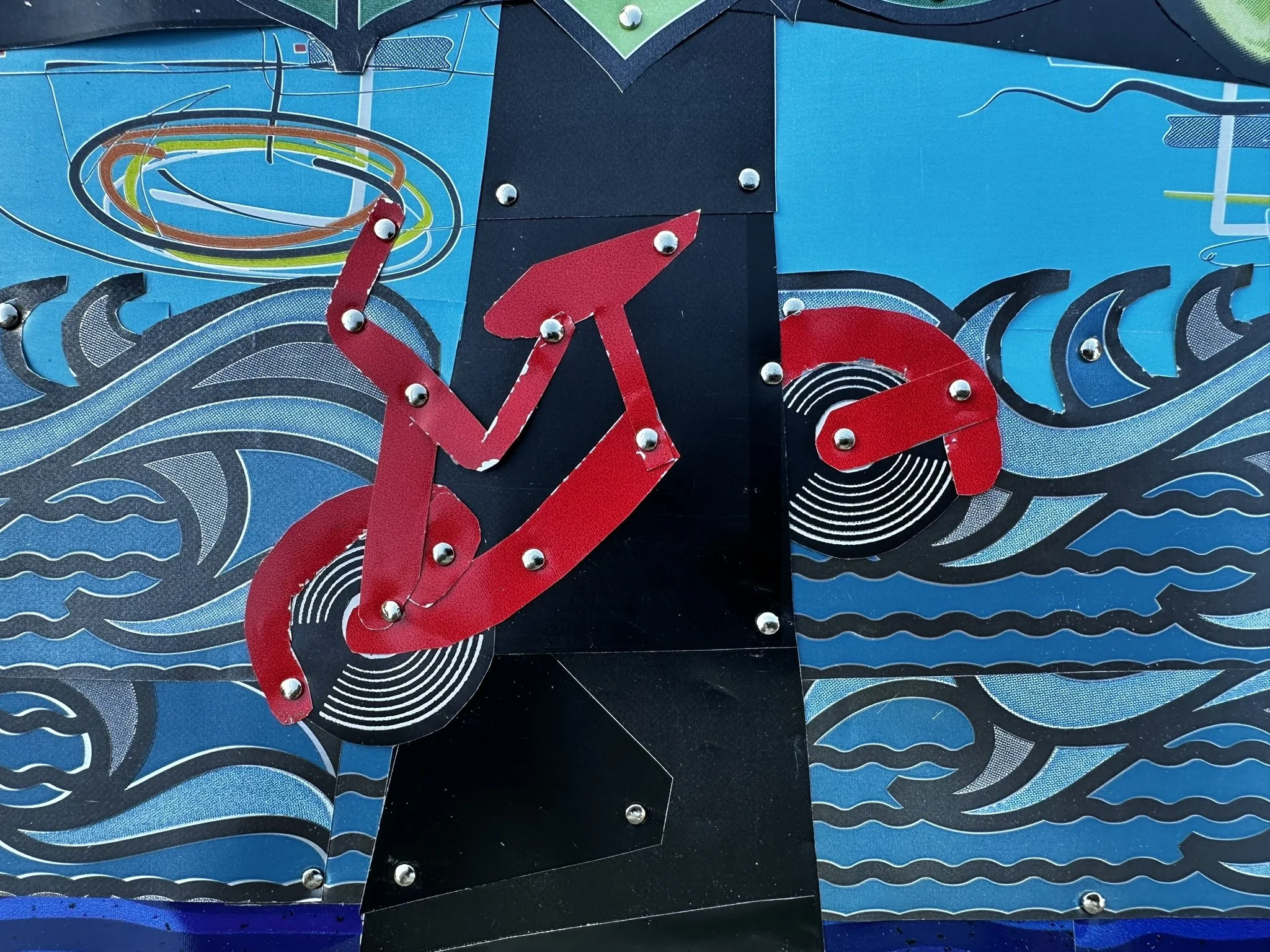
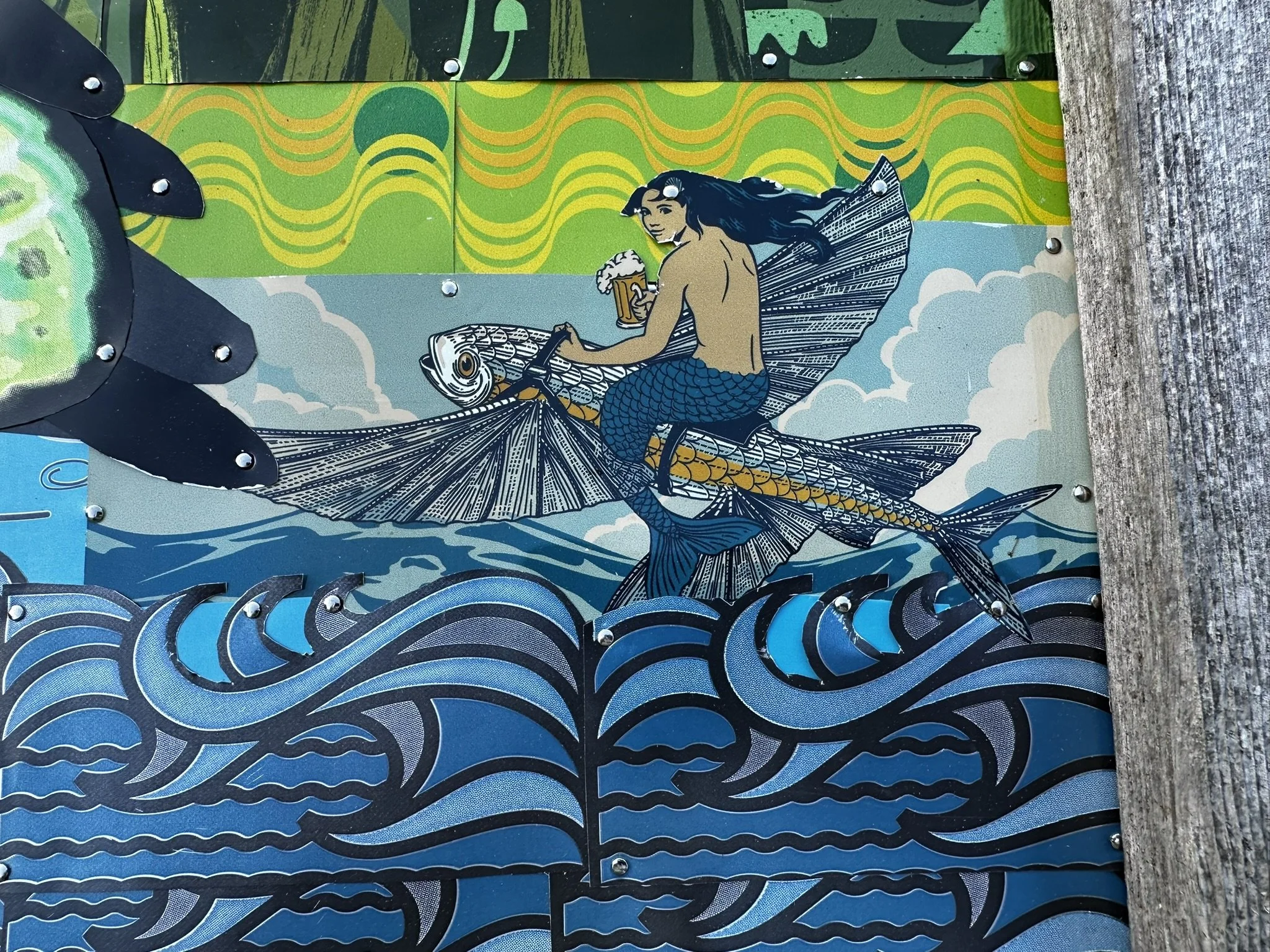
I started collecting beer cans during the pandemic. I didn’t know why. But because visiting the grocery store had become a special occasion and ordering home-delivery beer from WA and OR breweries was a fresh novelty, tossing the vessels in the recycling can felt wasteful. I thought maybe I’d find a use for them. (Maybe, if the world became even more fractured and stark, I could store foraged springwater for later boiling. Or piss. Perhaps there’d be a use for ubiquitous piss.)
At some point, I started thinking of the cans as small aluminum canvases rather than future receptacles for another liquid. Perhaps this was around the time the boxes I was neatly stacking them in were nearing capacity. Or maybe this occurred to me on a random Tuesday, sometime between another strained work meeting and another strained dining-table assessment of society.
Humanity ultimately eluded the virus and my family shucked our stockpile of KN-95s—and older, well-intentioned fabric masks—into a low drawer somewhere. The world moved on, as Stephen King once wrote. Comfortable bottle shop and brewery visits were possible again.
Still, I collected aluminum cylinders.
Were the full boxes of empty 16- and 12-ounce cans testament to a drinking problem I hadn’t acknowledged? Nah. They just evidenced my personal form of Covid-borne retail therapy. Buying beer prefaced hours of low-key sipping joy, and what was wrong with that? No, I wasn’t coddling an addiction. I was allowing myself some grace. (Really. No need to worry.)
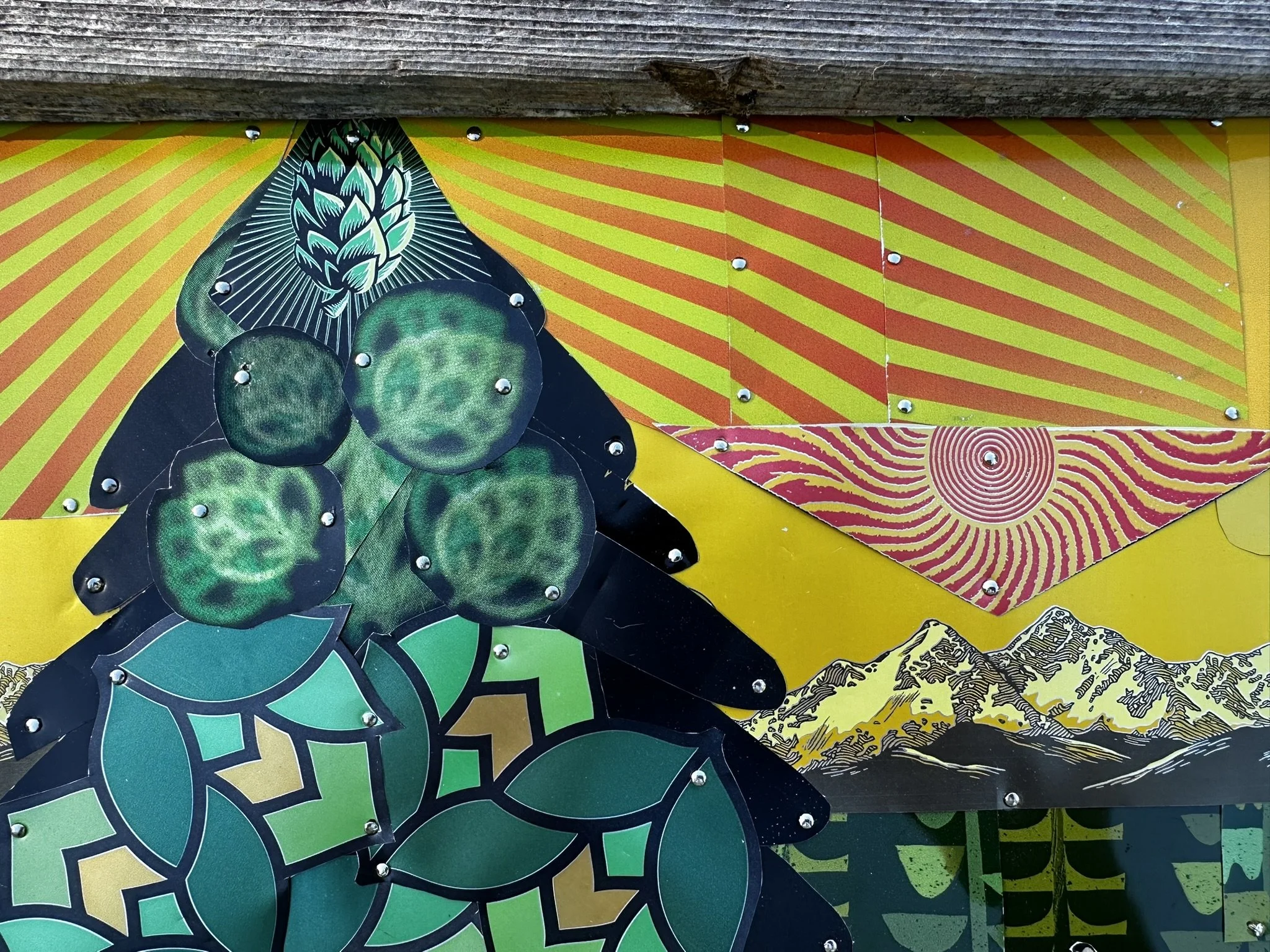
Sometime in 2025, I started buying beer based on the label design and the can construction. Cans with sticker labels were disfavorable. Ditto those with what I refer to as “painted” labels—those that flake off if you run a fingernail across the aluminum curve. No good. I wanted beer from cans whose labels were seemingly baked into the metal, that would not easily scratch or tear or rub off when wet. I also approached the beer aisle with favortism bias, of course. I knew what I liked. (Yes, that’s still almost exclusively IPA. Let’s move on.) And if that brewery’s cans were structurally agreeable—didn’t matter that I didn’t know exactly why that was important—I gravitated toward them no matter what else was on the shelves.
Hello, Fort George. Hey, Stemma. Fremont, what’s up?
Before 2020, I’d seen at least one artist in my neck o’ the woods who created shiny composite images out of aluminum can selections. I knew a Seattle-area tinsmith who crafted pristine, cohesive pieces from thicker fish-product canisters. The idea was in my brain somewhere, I guess, silently and slowly fomenting like a dust bunny.
Maybe a year ago, it ocurred to me to start cutting the cans open. To remove the tops and bottoms and flatten what remained. Why? I still didn’t know. I watched YouTube videos on how do this well. I followed the instructions. No, using an iron doesn’t work. No, baking them doesn’t work. (Baking them is stupid, actually, as it creates invisible clouds of surely toxic and absolutely clinging malignant aroma. I probably shaved five years off my life cooking can sheaths at high temps while working from home. 1/10, do not recommend.)
Hand-pulling can-sheets against the rounded edge of a countertop works. You won’t get a perfectly flat little canvas of aluminum, but for my then-unknown purposes, that approach was just fine. I stacked these slightly curved sheets in small rectangular plastic bins like cards in an old-school library catalog.
I bought a sheet of 3/4” plywood. I acquired some tiny silver nails. A petite jewelry hammer.
I didn’t know what I was going to do with them.
I cut the plywood to what felt like a reasonable rectangle, 18” by 24”.
And then I started thinking about the Vashon flag.
Soon, I asked my son to draw a rough conifer outline on the plywood with a fat-leaded pencil, centered. Then to divide the entire plane into three equal horizontal sections.
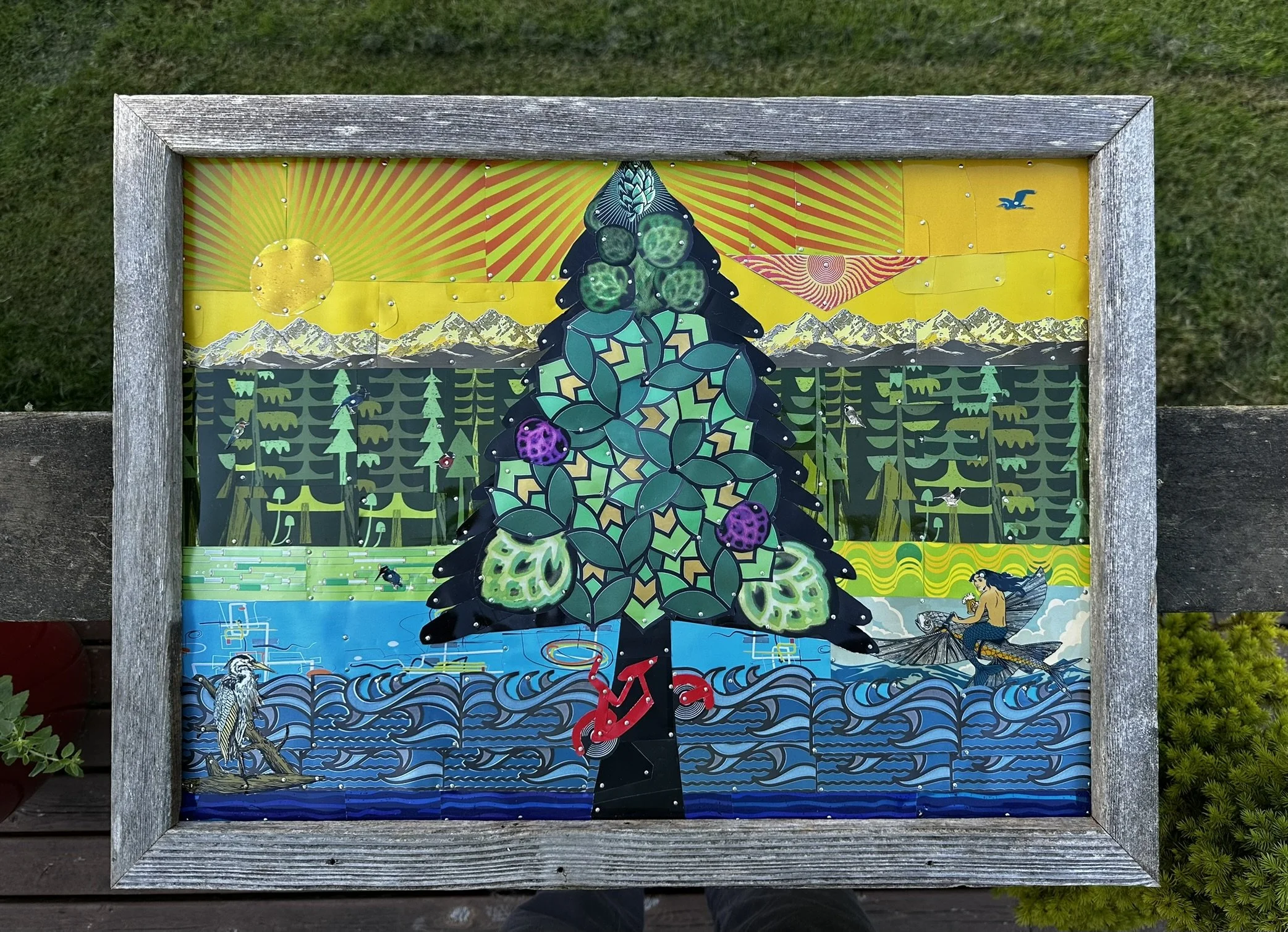
The vision came to me like a kaleidoscope focused in extreme slo-mo, not in a epiphonic moment but across weeks and maybe months: I was going to create a version of my rural island town’s banner, centered on a typical PNW “pine” tree that matured around a child’s bicycle storied decades ago, absorbing chunks and lengths of red metal in the expansive process. That was it. That was the why.
And why not? I love this place. It’s more of a familiar, comforting home than my northern California hometown.
My plan now established, I started cutting sections and elements from the can labels. I started seeing how to piece them together in my mind, even if my hands didn’t understand the connections and my instruments were untried and employed with inexpert movements and intent.
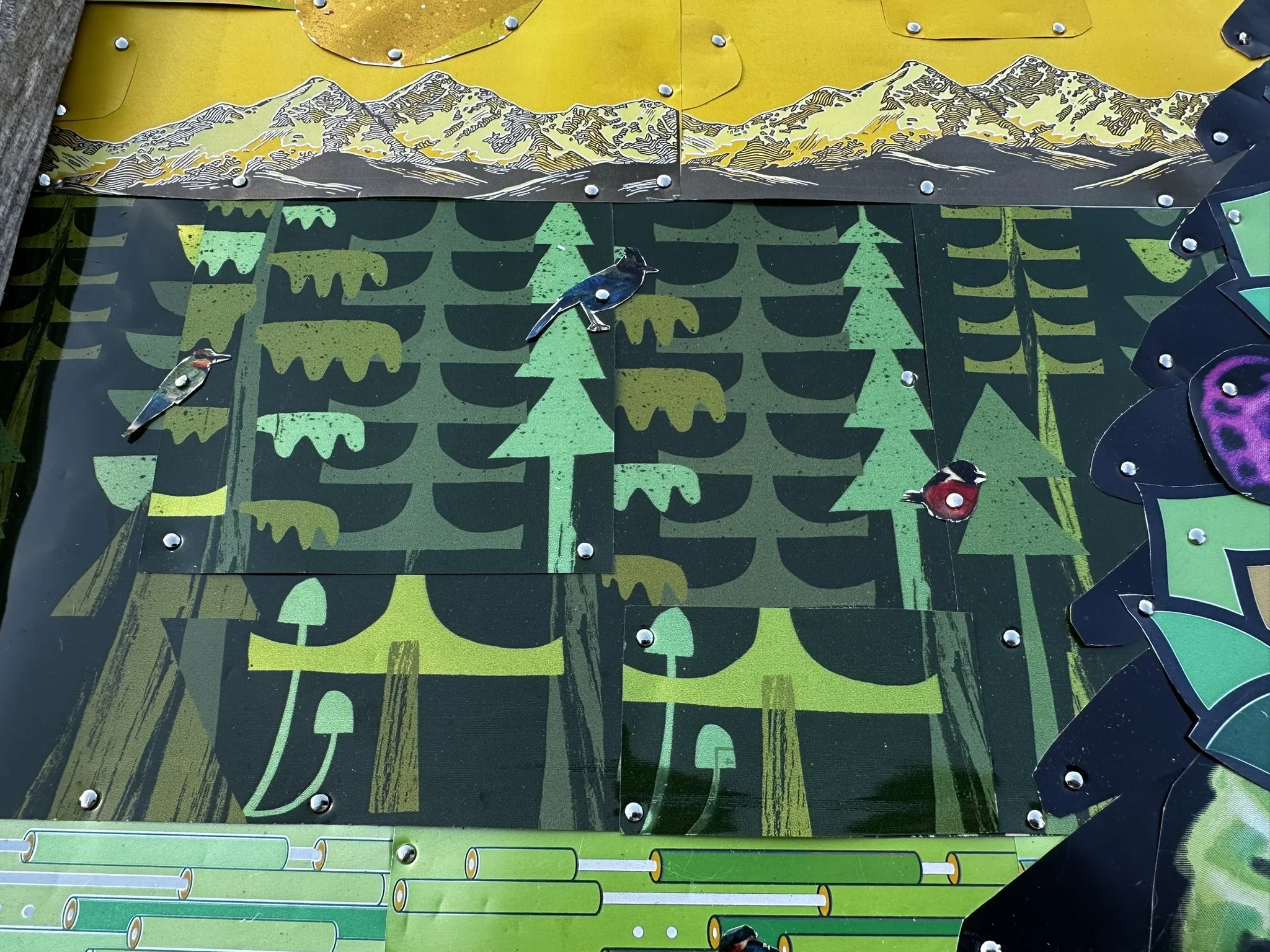
I placed aluminum cutouts with snips of double-sided adhesive sheeting. I whacked in the teeny nails with the aid of needlenose pliers. I had no idea what I was doing, yet was absolutely sure of my approach. For this construction, I’d watched no YouTube. I’d asked no one. I just did what seemed right.
Minor aspects of my approach changed as I went. I rebuilt the tree outline. At one point, I decided there would be a heron. (Fremont!) Later, I wanted eight birds in total. (My favorite number. And one Kings & Daughters beer accommodated.)
I finished this piece of art a week ago. Art! I’m no artist, but I created something visual that didn’t exist before. I had a vision, even if I didn’t recognize it as such, and I made it tangible.
It’s not perfect, but I’m happy with it. (I made the frame as well! Almost forgot to mention that.)
No, I don’t have a drinking problem. My problem is that I don’t know what to do next. Indulge the aluminum canvas curiosity and create another piece of “art” while my complete but unpolished novel languishes? Or put the cans and the little hammer aside and return to the digital page?
These words are pointing me in one direction. But now I understand I can turn in another whenever I’m ready.